Sustainable Solutions: How E-Waste Recycling Services Are Saving Our Planet
Electronic waste presents serious dangers to the environment, as discarded electronics often contain toxic materials. These toxic materials have the potential to taint soil and water sources, leading to broader ecological damage. Electronic waste recycling programs offer an effective remedy. They not only recover valuable resources but also mitigate pollution. Gaining insight into how these programs function and affect local communities is critical. The path to successful electronic waste management prompts vital discussions about personal accountability and communal efforts. What actions should be considered going forward?
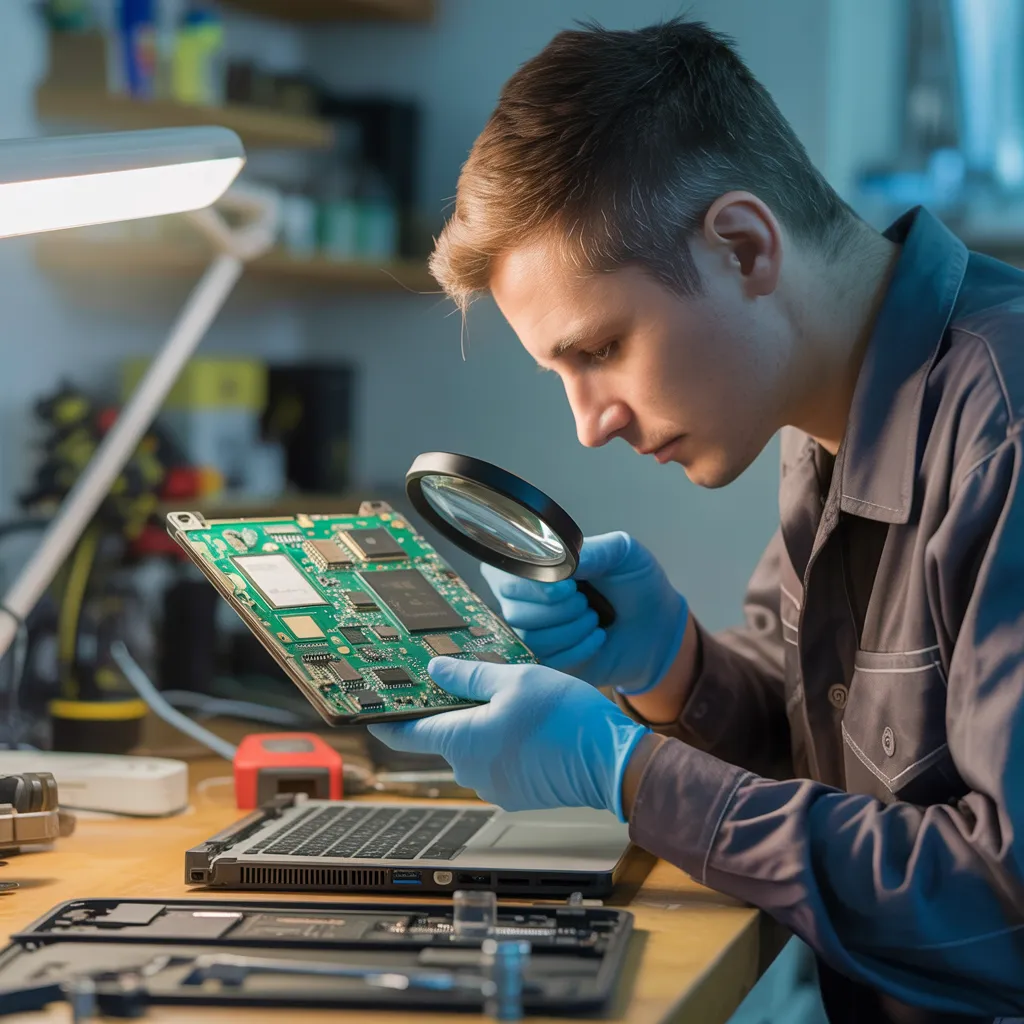
How E-Waste Is Hurting the Planet
Although technology enhances modern life, e-waste creates serious threats to the environment. Disposed electronic equipment, commonly laden with dangerous compounds like cadmium, lead, and mercury, are capable of seeping pollutants into soil and groundwater, creating hazards for both wildlife and human well-being. The swift progression of technology contributes to greater consumer replacement of electronic devices, worsening the buildup of e-waste.
Landfills, already burdened with waste, struggle to accommodate the growing volumes of discarded gadgets. Incineration, another disposal method, releases harmful pollutants into the atmosphere, contributing to air quality degradation. In addition, improper recycling practices can lead to the exportation of e-waste to developing countries, where laborers may dismantle devices without adequate safety measures, exposing themselves to dangerous substances. This pattern of negligence and mismanagement highlights the critical demand for eco-friendly recycling alternatives that can reduce the damaging impact of electronic waste on the environment.
What Is E-Waste and Its Importance?
E-waste, or electronic waste, comprises discarded electronic devices such as televisions, computers, and smartphones that are no longer functional or needed. This increasingly prevalent form of waste is important due to its rapid accumulation, propelled by advances in technology and evolving consumer behaviors. With an increasing number of devices reaching obsolescence, the ecological consequences become more pronounced, with dangerous elements including lead, mercury, and cadmium posing risks to ecosystems and human health.
Addressing e-waste is crucial not only for reducing these dangers but also for acknowledging the precious materials found within it. Precious metals and rare earth elements can be recovered and reused, reducing the need for mining and conserving natural resources. With a thorough understanding of e-waste and its impact, people and organizations alike can make educated decisions about disposal and recycling, helping to build a more sustainable world. Proper management of e-waste is essential for fostering a circular economy and promoting environmental stewardship.
How the E-Waste Recycling Process Works
The recycling of e-waste encompasses an organized procedure intended to extract beneficial components while reducing harm to the environment. To begin, electronic waste is gathered and delivered to dedicated processing centers. Upon arrival, the devices undergo thorough sorting to separate hazardous components from recyclable materials.
Subsequently, employees dismantle the devices, extracting metals, plastics, and glass. This stage is crucial, as it allows for the reclamation of high-value metals like gold, silver, and copper, which can be recycled in new electronic devices.
Afterward, the isolated materials are handled through sophisticated techniques, such as mechanical shredding and chemical processing, to refine them for repurposing.
In the final step, the leftover dangerous materials are managed properly, complying with environmental regulations. This comprehensive process not only saves important resources but also mitigates the risks linked to irresponsible electronic waste disposal, ensuring a more sustainable future for the consumption of electronics.
Benefits of E-Waste Recycling for You and Your Community
Although it often goes unnoticed, the advantages of e-waste recycling extend beyond personal convenience to positively impact entire communities. By responsibly disposing of electronic waste, individuals play a role in creating a cleaner environment, minimizing hazardous materials that can leach into soil and water. This forward-thinking practice actively safeguards local ecosystems and supports public health.
Moreover, e-waste recycling fosters employment opportunities within local communities. Regional recycling centers frequently need staff for diverse activities, covering everything from collection to processing, consequently creating meaningful employment for local residents. This not only strengthens the regional economy but also encourages community engagement in sustainable practices.
Moreover, awareness of e-waste recycling can lead to community outreach programs, equipping residents to make environmentally conscious decisions. By engaging with e-waste recycling programs, individuals cultivate a culture of sustainability, encouraging others to follow suit. All things considered, the cumulative impact of these actions can result in a more resilient and environmentally responsible community.
A Guide to Selecting an E-Waste Recycling Service
Choosing the right electronic waste recycling provider is essential for guaranteeing that e-waste is managed responsibly and sustainably. First, individuals should check the provider's credentials, such as R2 or e-Stewards, which indicate conformance to industry standards for safe recycling practices. It's also important to Get access evaluate the provider's credibility by reading customer reviews and obtaining recommendations from trusted sources.
Next, openness in the recycling process is crucial. A trustworthy service should supply straightforward details about the way e-waste is handled and what happens to the materials. Moreover, evaluating the range of services offered can be beneficial; some companies may provide pickup services or offer incentives for recycling.
Ultimately, being aware of local guidelines related to e-waste disposal can help inform the selection process. By prioritizing these factors, consumers can play a role in responsible e-waste disposal while also advancing green and responsible behaviors.
How You Can Get Involved in E-Waste Recycling?
Engaging in e-waste recycling may begin at the local level, where recycling centers regularly supply essential services for proper disposal. Additionally, joining community awareness campaigns can enhance efforts to raise awareness about the importance of responsible e-waste management. These actions not only encourage sustainable practices but also build a collective sense of accountability for the environment.
Area Recycling Stations
Many local recycling centers perform an important function in electronic waste recycling, supplying communities with reliable ways to manage electronic waste appropriately. These facilities handle a selection of electronic equipment, including old computers, smartphones, and televisions, making certain that hazardous materials are managed safely. The majority of facilities employ trained staff who help individuals navigate appropriate disposal procedures, emphasizing the importance of recycling over landfilling. Furthermore, numerous facilities provide organized drop-off opportunities or appointed collection periods, making it easy for residents to participate. By engaging with these local facilities, residents support a circular economy, decreasing environmental damage and advancing sustainable approaches. Working alongside these hubs empowers communities to take action against e-waste pollution effectively.
Community Outreach Campaigns
Nearby organizations, schools, and enterprises can collaborate to host events that promote e-waste collection drives. Dedicated participants can take a leading part in raising awareness, sharing informational resources, and connecting with local residents. Through these collective efforts, residents become more informed and motivated to recycle their electronic waste, thus playing a meaningful role in creating a more environmentally responsible future.
Answers to Your Most Common Questions
What Kinds of Electronics Can Be Recycled?
Numerous electronics may be recycled, including laptops, televisions, smartphones, printers, computers, and gaming consoles. Additionally, accessories such as batteries, keyboards, and mice are also suitable for recycling, promoting efforts to conserve the environment.
Are There Fees Involved With E-Waste Recycling?
Yes, electronic waste recycling may involve fees, based on the service provider. Some service centers charge fees for collection or processing, while other facilities make services available at no charge, often subsidized by the resale of recovered materials.
How Do Businesses Gain From E-Waste Recycling?
Organizations can gain from e-waste recycling by minimizing disposal costs, improving their green reputation, meeting compliance standards, recovering valuable materials, and creating potential earnings via resale, ultimately contributing to a more sustainable operational strategy.
What Occurs with Data on Recycled Devices?
Data on repurposed equipment is commonly irretrievably wiped or destroyed during the refurbishment process. This ensures confidential data is kept safe, stopping improper access while permitting materials to be reused carefully and ethically across new manufacturing processes.
Is It Possible to Recycle Damaged Electronics?
Indeed, broken electronics can be recycled. Numerous facilities receive damaged devices, ensuring responsible disposal and extraction of useful materials. Doing so helps minimize harm to the environment while encouraging eco-friendly recycling methods to control electrical waste responsibly.